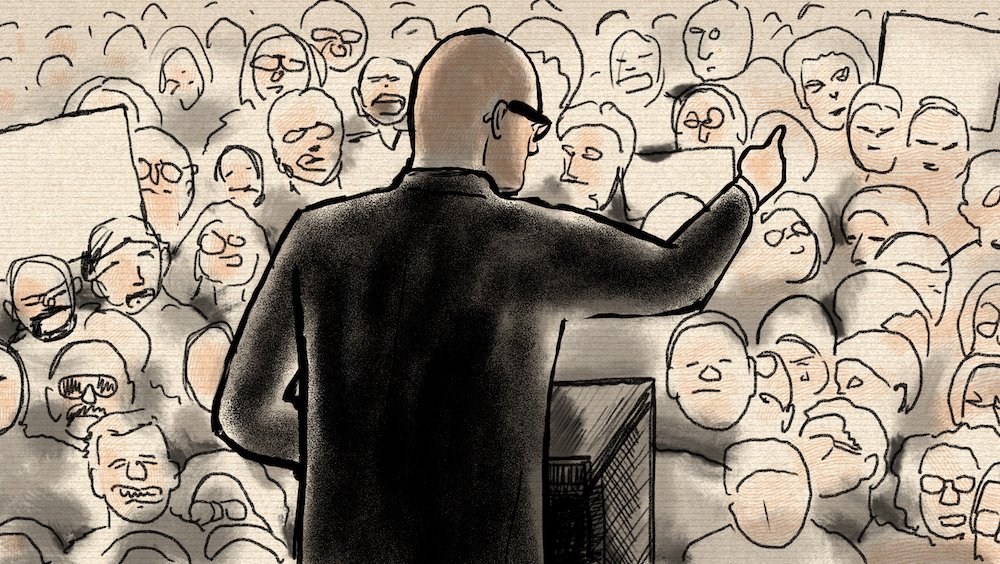
In 2026, populism is no longer a fringe political movement—it has become a defining force across many democracies. From Europe to the Americas and beyond, growing numbers of people are turning away from traditional political parties and institutions, instead supporting leaders and movements that claim to represent “the people” against a distant and self-serving elite. This shift reflects deep social, economic, and psychological changes that have been building for years.
A Growing Gap Between Citizens and Institutions
One of the main drivers of populism is the widening gap between ordinary citizens and political institutions. Many people feel that traditional parties no longer understand their daily struggles or reflect their values. Bureaucratic language, slow decision-making, and repeated political scandals have reinforced the perception that politics serves insiders rather than the public. As trust erodes, voters become more open to alternatives that promise radical change.
Economic Insecurity and Inequality
Despite technological progress and global economic growth, many individuals feel left behind. Rising living costs, housing shortages, job insecurity, and stagnant wages have created frustration, especially among the middle and working classes. Populist movements often capitalize on this dissatisfaction by offering simple explanations and clear targets to blame—globalization, elites, immigrants, or multinational corporations—while presenting themselves as the only voices willing to challenge the system.
The Role of Social Media and Alternative Narratives
Social media has dramatically reshaped political communication. In 2026, people increasingly consume news through platforms that favor emotional, direct, and often polarizing content. Populist leaders thrive in this environment by bypassing traditional media and speaking directly to their supporters. This creates a sense of authenticity and connection, even when messages oversimplify complex issues or spread misinformation. At the same time, declining trust in mainstream media pushes audiences toward alternative narratives that reinforce their existing beliefs.
Cultural Anxiety and Identity Politics
Rapid social change has also played a major role in the rise of populism. Shifts in cultural norms, debates over national identity, migration, and globalization have left some groups feeling uncertain about their place in society. Populist movements often respond to these anxieties by emphasizing tradition, national pride, and a clear distinction between “us” and “them.” For many supporters, this offers emotional reassurance in an increasingly complex world.
Disillusionment With Broken Promises
Years of unmet political promises have contributed to widespread cynicism. Reforms that never materialized, corruption cases that went unpunished, and crises that exposed weak leadership—such as economic downturns or public health emergencies—have all undermined faith in traditional politics. Populist figures benefit from this disillusionment by positioning themselves as outsiders who are not bound by old rules or failed ideologies.
What This Means for Democracy
The rise of populism in 2026 is both a warning and a signal. It highlights real grievances that many people feel and exposes weaknesses in democratic systems. While populism can bring neglected issues into public debate, it can also deepen polarization and weaken institutions if it rejects compromise and democratic norms.
Ultimately, restoring trust in politics will require more than slogans. Transparent governance, genuine public engagement, economic fairness, and accountability are essential if traditional politics hopes to regain credibility. Until then, populism is likely to remain a powerful force shaping the political landscape of 2026 and beyond.