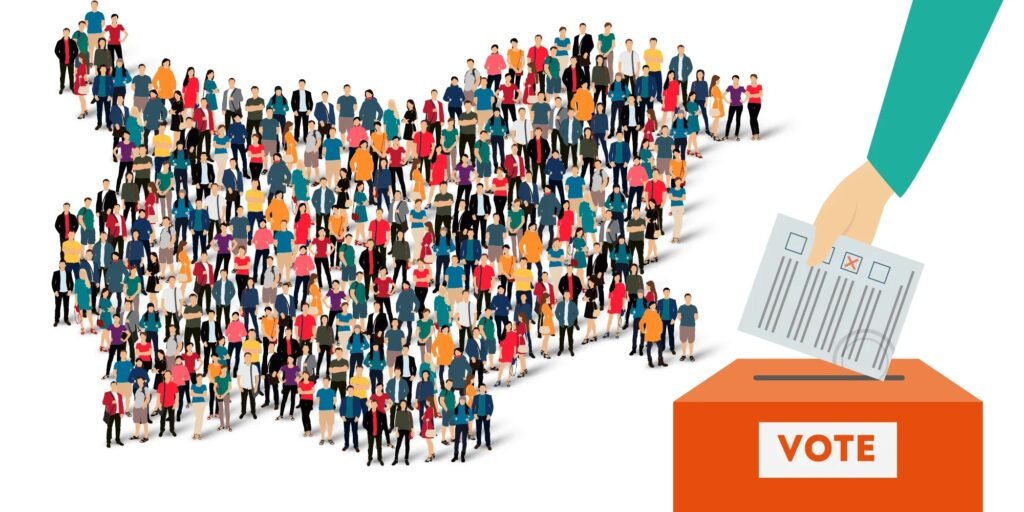
Social media has transformed how elections are fought, decided, and experienced. What once were traditional campaigns dominated by TV ads, rallies, and newspapers are now intensely shaped by posts, videos, targeted ads, and the invisible power of algorithms. While platforms promise to connect voters and streamline communication, their hidden influence extends far beyond likes and shares—reshaping political behavior in subtle and significant ways.
The Power of Algorithms and Echo Chambers
Social platforms don’t show users every post; they choose what you see based on your interests and past behavior. This algorithmic filtering often creates echo chambers—environments where users are repeatedly exposed to content that reinforces their existing beliefs and rarely encounter differing perspectives. Over time, this polarized bubble can harden opinions and deepen political divisions, making compromise and open dialogue across ideological lines more difficult.
Micro-Targeting Voters with Precision
Unlike traditional political advertising, which broadcasts broad messages to large audiences, social media allows campaigns to micro-target voters with customized content. Using data on demographics, interests, and online activity, campaigns can tailor messages that resonate with specific groups. This makes persuasion more effective—but also more secretive, as voters may receive very different messages depending on who they are.
Misinformation and Disinformation Spread Rapidly
False or misleading content spreads far faster than accurate information on social platforms. Research shows that fabricated stories are more likely to be shared and reach large audiences quickly, partly because sensational or unusual content draws greater engagement. This rapid spread can misinform voters about candidates, policies, and election logistics, undermining public understanding and trust.
Deepfakes and Manipulated Media
Emerging technologies like AI-generated deepfakes—videos or images that convincingly depict someone saying or doing something they never did—pose a real threat to electoral integrity. Fake visual content can be designed to damage a candidate’s reputation or distort facts, and detecting it in real time remains challenging. Platforms and regulators are beginning to respond, but the risks remain significant.
Increased Voter Engagement—But Not Always Positively
Social media can boost political participation by making information accessible and enabling direct interaction between voters and candidates. People can follow live events, discuss policies with others, and mobilize politically with unprecedented ease. However, this convenience also comes with overload and confusion, as users sift through massive amounts of competing information and sometimes struggle to separate fact from fiction.
The Role of Influencers and Viral Content
Influencers—individuals with large followings on platforms like Instagram, TikTok, and YouTube—play a growing role in shaping political discourse. Their endorsements or critiques can significantly influence public perception, especially among younger voters. Viral content can amplify political messages quickly, sometimes overshadowing official campaign communication.
Regulation and Trust Challenges
Efforts to regulate political content on social media vary widely across countries. Some platforms implement fact-checking and labeling systems to curb misinformation, but enforcement is often inconsistent. Trust in social media as a news source remains lower than in traditional media, reflecting widespread public concern about misleading content influencing elections.
Conclusion
Social media has reshaped electoral politics in powerful and often unseen ways. It magnifies voices, accelerates communication, and brings political engagement into everyday life—but it also carries risks like polarization, misinformation, and covert persuasion. To protect democratic integrity, voters, platforms, and policymakers alike must understand these subtle influences and work toward transparency, digital literacy, and responsible use of technology.