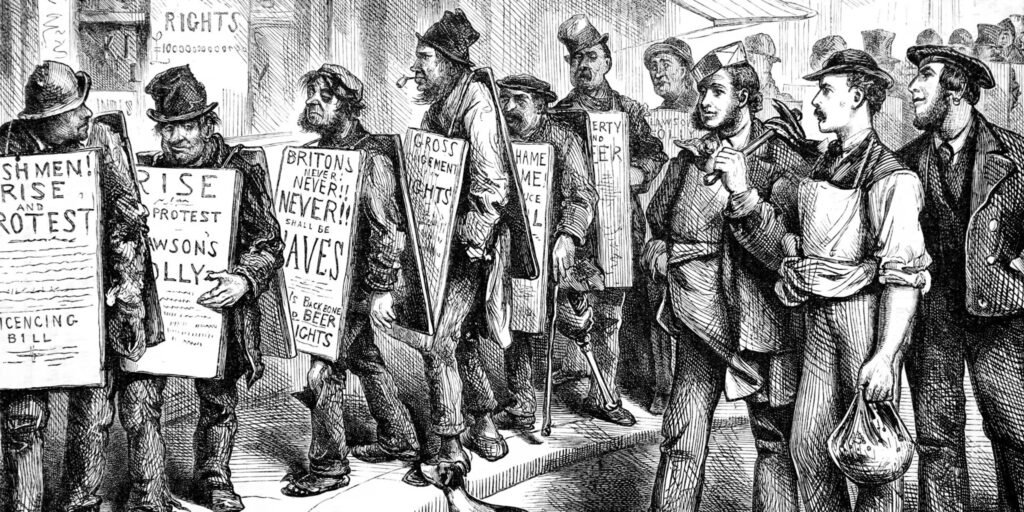
The digital age has amplified the debate over freedom of speech, especially online. Social media platforms, forums, and content-sharing sites allow people to express opinions instantly to global audiences. Yet, with this unprecedented reach comes the challenge of moderating harmful content. Balancing free expression and responsible oversight has become one of the most pressing issues of our time.
The Promise of Free Speech Online
The internet was built on the ideal of open communication. Social media platforms, blogs, and video channels give voices to those historically excluded from mainstream media. Free speech online enables activism, awareness campaigns, and grassroots movements that can challenge authority and spark social change. It empowers individuals to speak truth to power and engage in public discourse.
The Rise of Online Censorship
At the same time, platforms face pressure to remove harmful content. Hate speech, misinformation, violent threats, and harassment can spread quickly, causing real-world harm. Companies respond with moderation policies, algorithmic content filtering, and user bans. While these measures aim to protect communities, they also raise questions about who decides what is “acceptable” speech.
The Grey Area Between Moderation and Suppression
Not all censorship is straightforward. Content that some see as offensive may be vital political critique or satire. Decisions made by algorithms or moderation teams can be inconsistent, sometimes silencing marginalized voices or controversial opinions while allowing other harmful material to remain. The lack of transparency in moderation processes fuels debates about fairness and bias.
Legal and Ethical Considerations
Governments around the world are grappling with online speech. Some countries impose strict regulations to curb hate speech or false information, while others prioritize free expression, even if controversial. Ethical concerns arise when corporations—not elected bodies—effectively become arbiters of public discourse, deciding what millions can or cannot see.
Social and Psychological Impacts
Online censorship affects both content creators and audiences. Creators may self-censor to avoid strikes or bans, stifling creativity and open discussion. Audiences may develop polarized views, as content bubbles reinforce ideologies without challenge. These dynamics can amplify division and reduce meaningful dialogue.
Where Is the Line Today?
Determining the boundary between freedom and censorship is increasingly complex. Context matters: satire, educational content, and political commentary may be mistaken for harmful speech. Protecting users from genuine harm while safeguarding expression requires nuance, transparency, and accountability. Clear policies, user rights, and independent oversight are key to maintaining balance.
Conclusion
Freedom of speech and online censorship are not absolute opposites—they exist on a spectrum that reflects societal values, technological capabilities, and ethical priorities. Striking the right balance requires constant reflection, dialogue, and adjustment as digital communication evolves. While there is no universal solution, understanding the nuances helps ensure that the internet remains a space for both safety and expression.