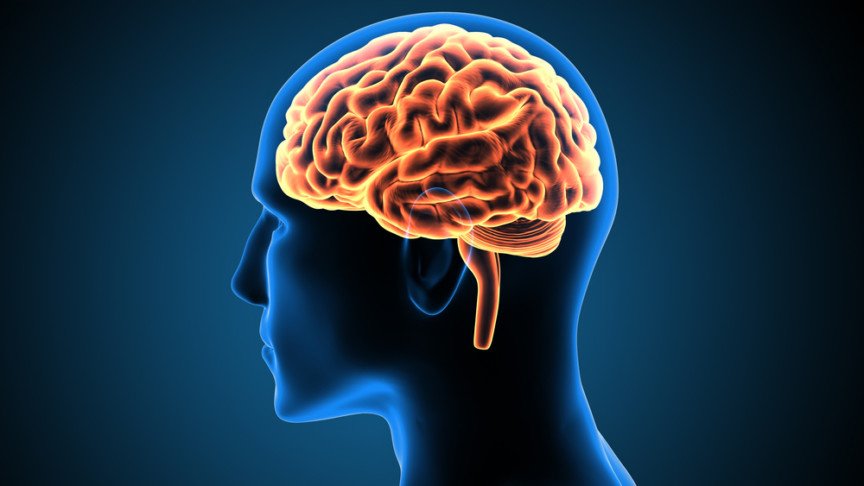
The human brain is remarkably powerful, yet it is not always trustworthy. Every day, it interprets, predicts, and fills in gaps in ways that can distort reality. These “mental shortcuts” help us function efficiently, but they also lead to misconceptions, false memories, and misjudgments. Understanding how the brain deceives us can change the way we think, make decisions, and perceive the world.
The Brain Fills in Missing Information
Our memory is not a perfect recording of events. Each time we recall a memory, the brain reconstructs it, often filling in gaps with assumptions or guesses. Over time, these small inaccuracies can snowball, creating memories that feel real but are partly—or entirely—false.
Optical Illusions and Perception Tricks
The brain constantly interprets sensory input, but what we perceive isn’t always reality. Optical illusions, for example, show that our visual system can be easily fooled. Colors, shapes, and motion may appear different from what they actually are because the brain prioritizes speed and pattern recognition over accuracy.
Cognitive Biases Shape Beliefs
Biases influence how we interpret information. Confirmation bias, for instance, makes us favor evidence that supports our existing beliefs while ignoring contradictory facts. Similarly, the anchoring effect, availability heuristic, and other cognitive shortcuts subtly shape our judgments, often without conscious awareness.
The Brain Misjudges Time and Probability
Humans are notoriously bad at estimating time and predicting probabilities. We often overestimate unlikely dangers, underestimate routine risks, or miscalculate how long tasks will take. These distortions aren’t flaws—they are survival mechanisms, helping early humans prioritize immediate threats over abstract calculations.
Emotions Influence Reality
Feelings can override facts. When emotional, the brain interprets events differently, exaggerating threats or minimizing positive outcomes. This explains why fear, anger, or excitement can make situations feel more intense—or more dangerous—than they actually are.
Social Perception Isn’t Perfect
We constantly try to read other people’s intentions, but the brain often misinterprets signals. Body language, tone, and facial expressions are filtered through our biases, past experiences, and expectations, leading to misunderstandings or assumptions about others’ motives.
The Illusion of Control
The brain often tricks us into believing we have more control than we do. This “illusion of control” can be beneficial for motivation and confidence, but it can also lead to risky decisions or overconfidence in unpredictable situations.
How to Outsmart Your Brain
Being aware of these mental shortcuts helps reduce errors and improve decision-making:
-
Question assumptions and first impressions
-
Double-check memories and facts before acting
-
Recognize emotional influences on your judgments
-
Seek multiple perspectives to counteract biases
Conclusion
Your brain is an incredible tool, but it is not infallible. Every day, it edits reality to help you navigate life, often in ways you don’t consciously notice. By understanding its tricks, you can make better decisions, see the world more clearly, and recognize when your own mind may be leading you astray.