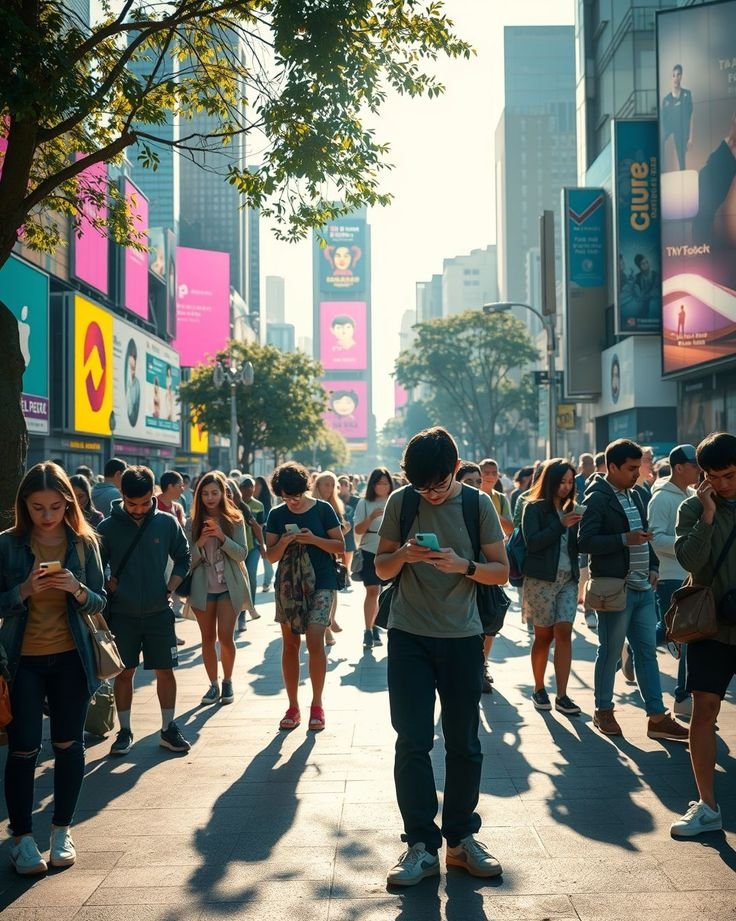
Across many societies, younger generations are increasingly disengaging from traditional politics. Voter turnout among young people is often lower, party membership is declining, and many express skepticism or indifference toward political institutions. This shift is not rooted in apathy alone—it reflects deeper frustrations with how politics functions today and how disconnected it feels from their realities.
A Lack of Trust in Political Institutions
Many young people grow up witnessing broken promises, corruption scandals, and leaders who appear out of touch with everyday life. When political systems seem to prioritize power over public interest, trust erodes. Without trust, politics feels pointless—something distant that rarely delivers meaningful change.
Feeling Unrepresented
Traditional political parties often fail to reflect the values, concerns, and diversity of younger generations. Issues that matter deeply to young people—such as mental health, climate change, housing affordability, job security, and digital rights—are frequently discussed but rarely addressed with urgency or concrete action. This creates a sense that politics does not truly represent them.
Politics Feels Performative, Not Practical
Modern politics often appears more focused on image, conflict, and winning arguments than solving real problems. Televised debates, online clashes, and partisan drama can make politics feel like entertainment rather than a tool for progress. For young people seeking authenticity and impact, this performative nature is deeply discouraging.
The Impact of Social Media
Social media exposes young people to politics constantly—but often in distorted ways. Algorithms prioritize outrage, conflict, and extreme opinions, making political discourse feel toxic and exhausting. Instead of inspiring engagement, this environment can push young people to disconnect for their own mental well-being.
Economic Insecurity and Survival Mode
Many young people face rising living costs, unstable job markets, student debt, and housing challenges. When daily life feels like a struggle for stability, long-term political participation can feel like a luxury. Survival takes priority over civic engagement, especially when political systems seem slow to respond to economic realities.
Lack of Civic Education
In many education systems, civic education is limited or outdated. Young people may not fully understand how political systems work or how change can realistically happen. Without clear pathways to participation and impact, politics feels confusing, inaccessible, or irrelevant.
Disillusionment with Traditional Power Structures
Younger generations often favor horizontal, community-driven action over hierarchical systems. Grassroots movements, activism, and online advocacy feel more immediate and meaningful than voting for distant representatives. This doesn’t mean young people don’t care—it means they care differently.
Political Language Feels Outdated
The language used in politics often feels formal, repetitive, and disconnected from real life. Younger audiences value transparency, relatability, and honesty. When political communication feels scripted or insincere, it fails to resonate.
Conclusion
- Young people are not losing interest in society or the future—they are losing faith in traditional politics as a vehicle for change. Rebuilding engagement requires more than slogans; it demands genuine representation, accountability, education, and policies that reflect lived realities. Until politics feels relevant, honest, and effective, many young people will continue to look elsewhere for ways to shape the world around them.