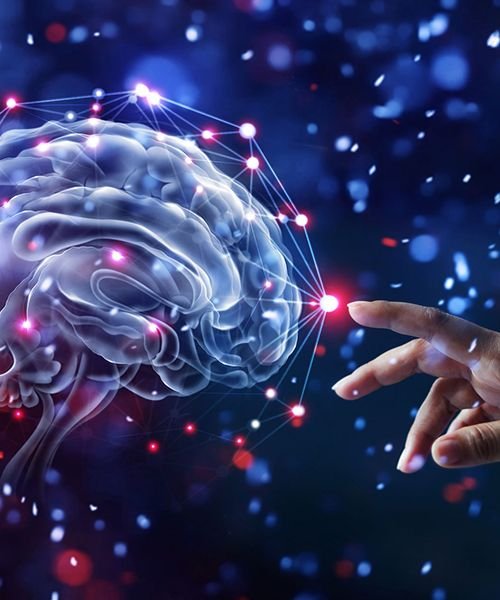
Most of the decisions we make each day—what to eat, when to check our phone, or how to respond in a conversation—happen automatically. While we often feel fully in control, neuroscience shows that much of decision-making occurs below the level of conscious awareness. Here’s how your brain decides for you without you even realizing it.
1. The Brain Processes Information Unconsciously
Before a decision reaches your conscious mind, your brain evaluates countless factors: past experiences, emotions, sensory input, and potential outcomes. The unconscious mind filters and weighs these options in milliseconds, so by the time you “decide,” your brain has already done most of the work.
2. Emotions Drive Decisions More Than Logic
The limbic system, which controls emotions, often influences choices more than the rational prefrontal cortex. This is why you might “feel” drawn to a choice without being able to explain why logically. Emotions act as shortcuts, helping the brain make quick decisions that were essential for survival.
3. Habits Automate Choices
Many decisions are shaped by habits stored in the basal ganglia. These routines allow the brain to conserve energy by automating behavior, from brushing teeth to commuting routes. Once a habit is established, the brain executes it almost without conscious thought.
4. The Brain Predicts Outcomes
The brain constantly predicts consequences based on past experiences. This predictive function guides decisions before we consciously consider them. For example, you may instinctively avoid a hot stove without thinking, because your brain remembers pain and danger.
5. Subliminal Cues Influence You
Your brain reacts to cues you aren’t aware of, such as body language, background music, or color. Studies show that subtle environmental signals can influence purchases, social interactions, and even moral judgments—all without conscious recognition.
6. The Brain Prioritizes Quick Decisions
In everyday life, the brain often chooses speed over accuracy. Split-second judgments—like swerving to avoid an obstacle—are made unconsciously. Conscious thought can be too slow for immediate survival or practical decisions.
7. Conscious Choice Often Follows Unconscious Processing
Research using brain scans shows that neural activity predicting a choice can appear up to 10 seconds before people report consciously making a decision. This means your brain “decides” first, and your mind rationalizes it afterward.
8. Cognitive Biases Shape Decisions
Unconscious biases—like favoring familiar faces, avoiding loss, or following social norms—affect decisions daily. The brain relies on these shortcuts to simplify complex judgments, which can sometimes lead to errors or irrational choices.