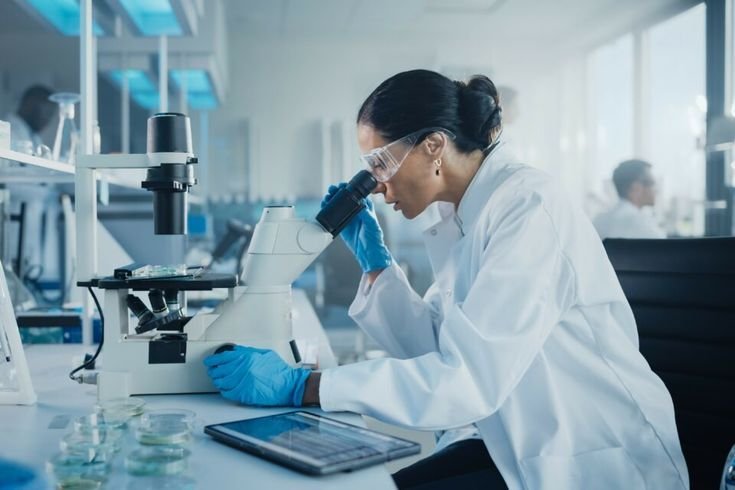
The field of medicine is evolving faster than ever, with breakthroughs that could revolutionize how we diagnose, treat, and prevent diseases. From gene editing to artificial intelligence, these scientific discoveries are reshaping the future of healthcare and offering hope for conditions once considered untreatable.
One of the most exciting advances is CRISPR gene editing. This technology allows scientists to modify DNA with unprecedented precision. Already, researchers are exploring CRISPR to correct genetic mutations responsible for diseases like sickle cell anemia, muscular dystrophy, and certain inherited forms of blindness. If successful, gene editing could move medicine from managing symptoms to curing diseases at their root.
mRNA technology, popularized by COVID-19 vaccines, is another groundbreaking discovery. Beyond vaccines, mRNA could be used to develop treatments for cancer, autoimmune disorders, and even rare genetic diseases. By instructing cells to produce specific proteins, mRNA therapies have the potential to tailor treatments to individual patients.
Artificial intelligence and machine learning are transforming diagnostics and treatment planning. AI algorithms can analyze medical images, detect early signs of diseases like cancer or heart conditions, and predict patient outcomes faster and more accurately than traditional methods. This could lead to earlier interventions and more personalized care.
Researchers are also making strides in regenerative medicine. Stem cell therapies and tissue engineering aim to repair or replace damaged organs, potentially reducing the need for organ transplants. Scientists are experimenting with lab-grown organs, bioprinting, and stem cell injections, which could one day make organ failure a treatable condition rather than a life-threatening one.
Another emerging field is microbiome research. The trillions of bacteria living in our gut influence immunity, metabolism, and even mental health. Scientists are discovering how manipulating the microbiome through diet, probiotics, or fecal transplants could prevent or treat conditions ranging from obesity to depression.
Nanotechnology is also poised to revolutionize medicine. Tiny nanoparticles can deliver drugs directly to diseased cells, improving treatment effectiveness while minimizing side effects. This precision medicine could transform cancer therapy, making it more targeted and less toxic.
Finally, liquid biopsies are a game-changer for early disease detection. By analyzing DNA fragments in blood samples, doctors may be able to detect cancers or other conditions long before symptoms appear, allowing treatment at stages when interventions are most effective.
These discoveries demonstrate that medicine is on the brink of a new era. Advances in genetics, AI, regenerative medicine, microbiome science, and nanotechnology promise not only to treat diseases more effectively but also to prevent them and personalize care for every patient. As these breakthroughs move from research labs to clinics, the way we approach health and healing may be forever transformed.