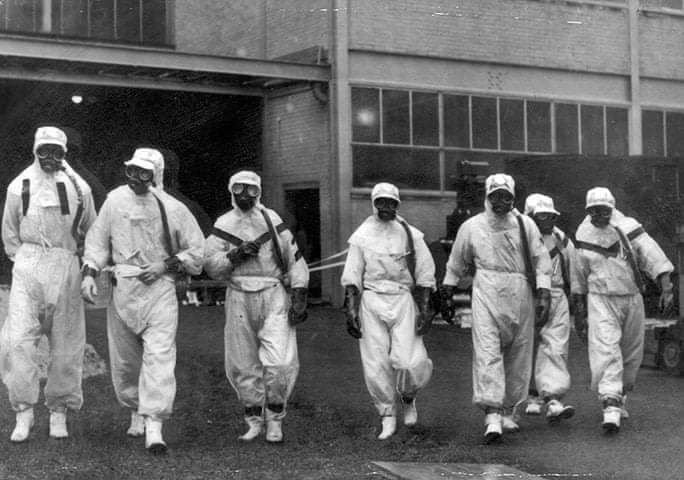
Throughout history, science has advanced through experimentation—but not all experiments have been ethical. Some of the most shocking studies subjected humans to extreme conditions, pain, or manipulation in the name of research, often leaving lasting trauma. These experiments reveal both the power of curiosity and the dangers of unethical science.
1. The Tuskegee Syphilis Study (1932–1972)
In the United States, the Tuskegee Study involved hundreds of Black men with syphilis who were deliberately left untreated to observe the disease’s progression. Participants were misled, denied treatment even after penicillin became available, and many died unnecessarily. This study is a dark reminder of racial injustice in medical research.
2. The Stanford Prison Experiment (1971)
Psychologist Philip Zimbardo created a simulated prison to study authority and behavior. Volunteers assigned as “guards” quickly became abusive toward “prisoners,” while prisoners suffered extreme emotional distress. The experiment had to be stopped after just six days, highlighting the power of situational influence on human cruelty.
3. Milgram’s Obedience Experiment (1961)
Stanley Milgram tested obedience to authority by instructing participants to deliver increasingly painful electric shocks to another person (who was actually an actor). Despite hearing simulated screams of pain, many participants continued administering shocks, revealing unsettling truths about human compliance.
4. The Human Radiation Experiments (1940s–1970s)
During and after World War II, governments conducted experiments exposing people to radioactive materials to study its effects. Subjects were often unaware they were being irradiated, leading to cancer, radiation sickness, and long-term health issues.
5. Nazi Medical Experiments (1939–1945)
Perhaps the most infamous, Nazi scientists performed horrific experiments on concentration camp prisoners. These included freezing studies, high-altitude simulations, forced infections, and surgeries without anesthesia. Tens of thousands of victims suffered or died, and these atrocities led to the creation of modern ethical standards in research.
6. Little Albert Experiment (1920)
Psychologists John Watson and Rosalie Rayner conditioned a baby, known as Little Albert, to fear white rats by pairing them with loud noises. This experiment intentionally induced fear without consent, illustrating early unethical practices in behavioral psychology.
7. The Monster Study (1939)
Researchers in Iowa conducted a study on children with speech difficulties, giving negative feedback to some to see if it caused stuttering. Many children suffered psychological harm, demonstrating the consequences of experimentation without care or consent.
8. MK-Ultra Mind Control Experiments (1950s–1960s)
The CIA conducted secret experiments to test mind control, often involving LSD, hypnosis, and psychological manipulation. Participants, many of whom did not consent, experienced long-term mental health issues.
9. The Aversion Project (1970s–1980s)
In apartheid South Africa, the military subjected homosexual soldiers to chemical castration and electric shocks to “cure” them. These experiments caused severe physical and psychological trauma, highlighting abuse under the guise of research.
10. Unit 731 Human Experiments (1930s–1945)
In Imperial Japan, Unit 731 conducted deadly experiments on prisoners of war, including vivisection, exposure to diseases, and biological weapon testing. Thousands died, and the experiments were conducted with total disregard for human life.
Conclusion
These shocking experiments serve as grim reminders that scientific curiosity must be balanced with ethics. Many of these atrocities led to the development of modern ethical guidelines, including informed consent, the Nuremberg Code, and strict protections for research participants. While these studies advanced knowledge in some ways, the human cost was immeasurable—and a warning that science without morality can be devastating.