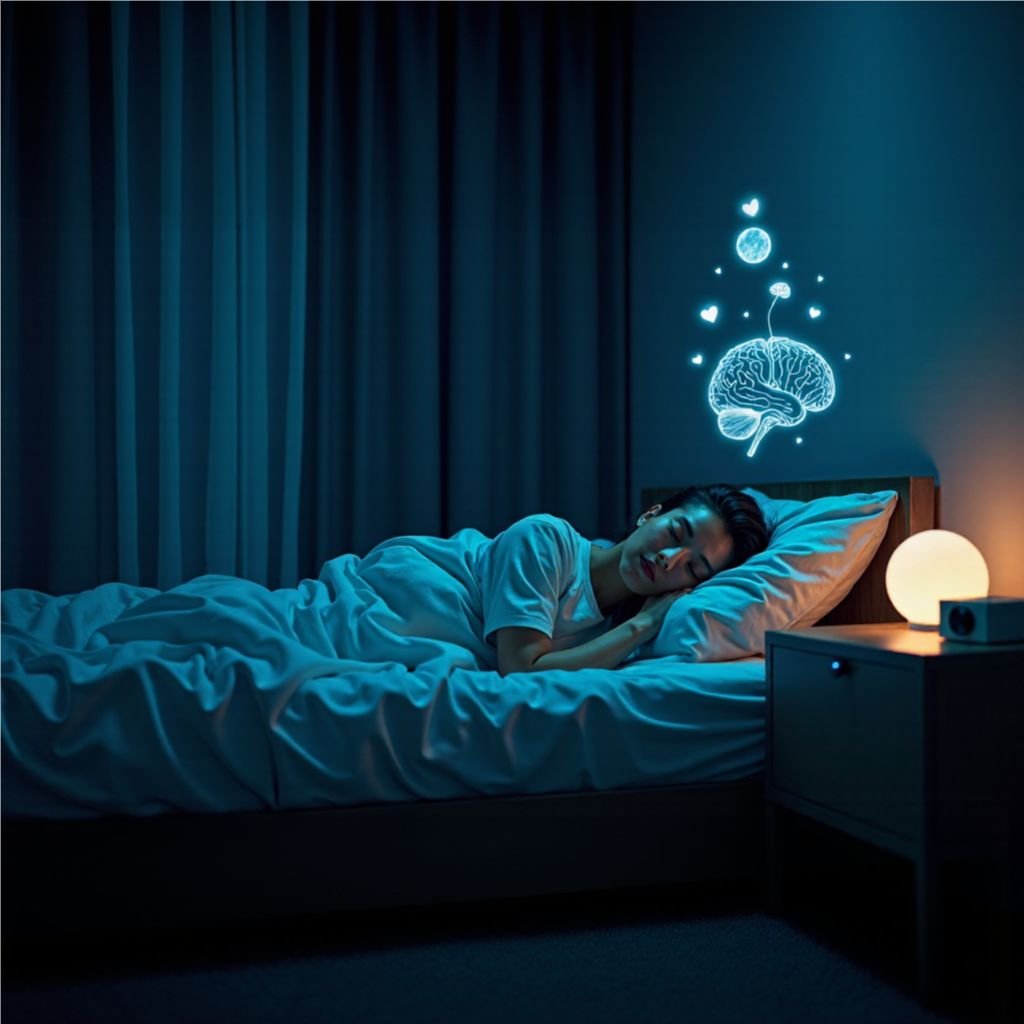
Sleep is essential for life, yet it remains one of the most mysterious and misunderstood aspects of human biology. While most people know that lack of sleep makes you tired, science has uncovered many surprising and even shocking facts about how sleep affects the body, mind, and health.
1. Sleep Deprivation Can Kill You
While rare, extreme sleep deprivation can be fatal. Animal studies and cases of fatal familial insomnia in humans show that prolonged lack of sleep can disrupt the nervous system and cause death over time. Even moderate sleep deprivation increases the risk of heart disease, stroke, and immune dysfunction.
2. Your Brain Is Highly Active During Sleep
Contrary to popular belief, the brain doesn’t shut down during sleep. During REM sleep, it is almost as active as when you are awake, processing emotions, consolidating memories, and solving problems—even if you aren’t aware of it.
3. You Can Function Without REM, but at a Cost
REM sleep is crucial for emotional health and memory, but some people experience suppressed REM due to medications, stress, or disorders. Long-term REM deprivation can lead to irritability, cognitive decline, and increased risk of mental health disorders.
4. Sleep Affects Every System in Your Body
Sleep is not just about rest. It regulates hormones, metabolism, heart health, immune function, and even weight. Chronic sleep loss is linked to diabetes, obesity, hypertension, and weakened immunity.
5. You Dream Every Night
Even if you don’t remember dreams, everyone experiences them during REM sleep. Dreams help the brain process emotions, simulate challenges, and even enhance creativity. Some dreams are triggered by unresolved fears or memories from daily life.
6. Your Body Repairs Itself During Sleep
Deep sleep stages are when the body performs essential maintenance: repairing tissues, strengthening the immune system, and releasing growth hormones. Skipping sleep interferes with these processes, slowing healing and recovery.
7. Sleep Patterns Affect Longevity
Studies show that consistently getting too little or too much sleep increases mortality risk. Adults who sleep less than six hours or more than nine hours per night are at higher risk for chronic illnesses and early death.
8. Sleep Loss Alters Perception of Pain
When sleep-deprived, your sensitivity to pain increases. Minor discomforts feel worse, and recovery from injuries is slower, making sleep crucial for both physical and mental resilience.
9. Napping Isn’t Just Rest—it’s Recharging the Brain
Short naps improve alertness, memory, and mood. However, naps longer than 30–40 minutes can lead to grogginess due to entering deep sleep stages, making timing critical.
10. Humans Are the Only Mammals That Delay Sleep Voluntarily
Unlike most animals that follow natural cycles, humans often delay sleep for work, entertainment, or social reasons. This voluntary disruption contributes to modern epidemics of sleep deprivation and related health problems.
Conclusion
Sleep is far more than a passive state of rest—it’s a complex, vital process that affects every part of the body and mind. Understanding these shocking facts can motivate better sleep habits, helping improve health, mood, and overall quality of life.